Enterprise Architecture Guide · 2026

จาก RAG สู่ Enterprise AI Memory:
ทำไม AI Agent ต้องเข้าใจความสัมพันธ์
ไม่ใช่แค่ค้นเอกสาร

ต่อยอดจาก Context Engineering สู่สถาปัตยกรรม Enterprise AI Memory ที่รวม RAG, Knowledge Graph, Governance และ Agent Interface เพื่อให้ AI เข้าใจระบบ ความสัมพันธ์ และผลกระทบขององค์กรได้จริง

Enterprise AI Knowledge Graph Graph-RAG Governance 2026
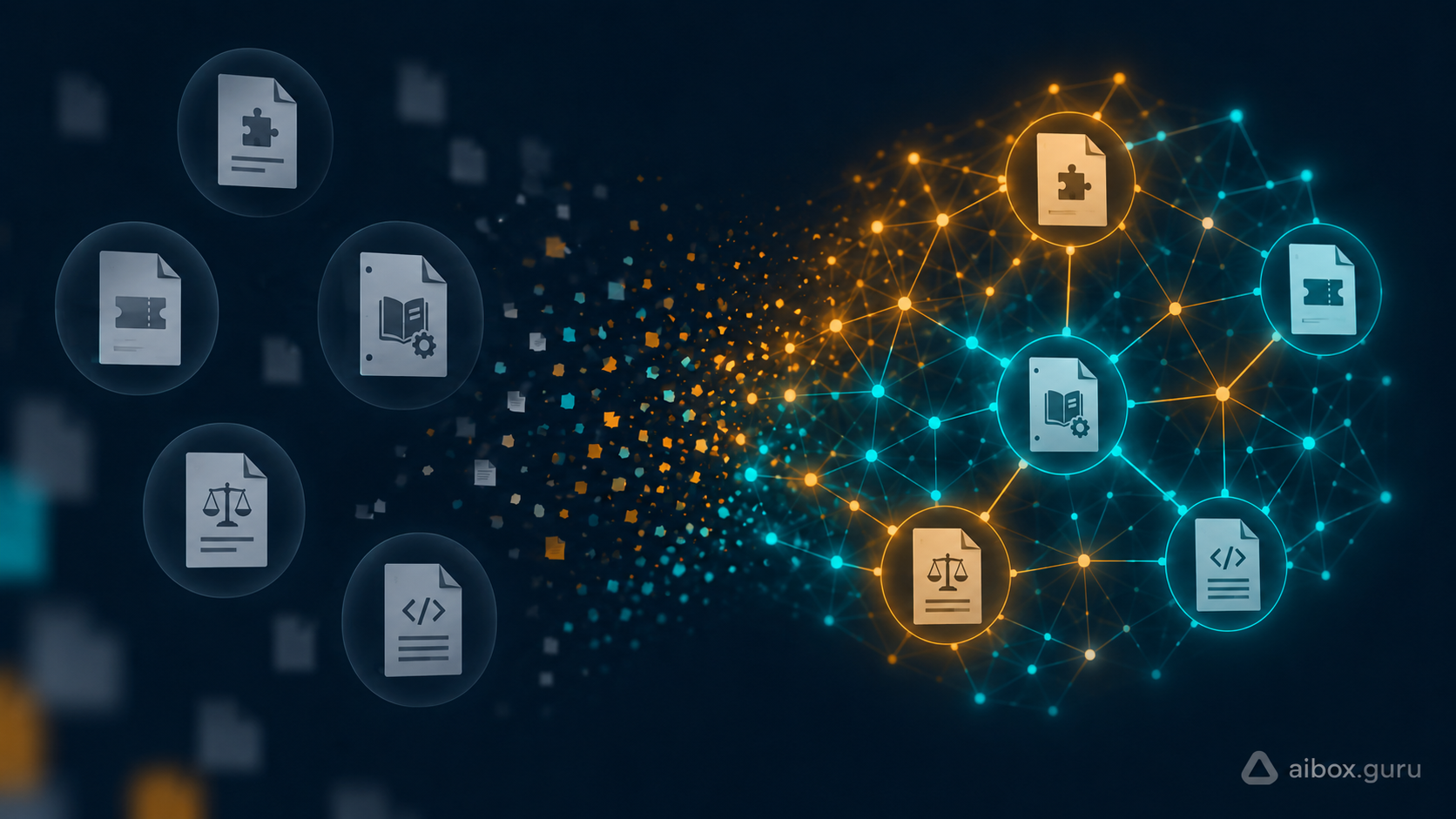
Data Silos to Connected Enterprise Knowledge
จากข้อมูลที่กระจัดกระจายในหลายระบบ สู่ enterprise knowledge ที่เชื่อมโยงความสัมพันธ์ให้ AI ใช้ reason ได้
วิธีอ่านบทความนี้: บทความนี้เป็น enterprise architecture guide สำหรับการออกแบบ AI memory layer ระดับองค์กรที่รวม retrieval, knowledge graph และ governance เข้าด้วยกัน โดยเนื้อหาอ้างอิงจาก Markdown ต้นฉบับแบบ faithful conversion

สารบัญ

Overview

เปิดด้วยปัญหาจริง

องค์กรส่วนใหญ่ไม่ได้ขาดข้อมูล

ข้อมูลมีอยู่ทุกที่ — ใน wiki, ใน ticket system, ใน email, ใน repository, ใน meeting notes, ใน runbook, ใน contract ที่เซ็นไปเมื่อสามปีที่แล้ว AI ได้รับเอกสารเหล่านี้และค้นหาได้เร็วขึ้นมาก

แต่เมื่อถามว่า "ถ้าเราเปลี่ยน retry policy ของ payment service จะกระทบระบบใดบ้าง และใครต้อง approve?" — คำตอบที่ได้มักเป็นเอกสารที่คล้ายคำถาม ไม่ใช่ความเข้าใจว่าระบบทั้งหมดเชื่อมกันอย่างไร

นี่คือขีดจำกัดที่ RAG แบบ chunk + embedding ยังไม่ข้ามได้

บทความนี้ต่อยอดจากบทความก่อนหน้าเรื่อง Context Engineering สำหรับ AI Coding Agent โดยขยายแนวคิดเดิมจากระดับโปรเจกต์ขึ้นไปสู่ Enterprise AI Memory Architecture ที่รวม Knowledge Graph, Governance และ Agent Interface เข้าด้วยกัน

RAG ทำให้ AI ค้นข้อมูลได้
Knowledge Graph ทำให้ AI เข้าใจผลกระทบได้
Governance ทำให้องค์กรเชื่อใจ AI ได้

บทความนี้อธิบายว่าทั้งสามชั้นทำงานร่วมกันอย่างไร และ stack ระดับองค์กรควรออกแบบอย่างไรให้ใช้งานได้จริง

Problem

1. ปัญหาที่แท้จริง: องค์กรไม่ได้ขาดข้อมูล แต่ขาดความสัมพันธ์

ลองนึกถึงข้อมูลที่องค์กรมีอยู่แล้วในวันนี้:

  • เอกสารนโยบาย (policy) ที่อัปเดตครั้งสุดท้ายเมื่อแปดเดือนที่แล้ว
  • Ticket จาก incident ที่ปิดไปแล้วแต่ยังไม่ได้ทำ postmortem อย่างเป็นทางการ
  • Source code ที่มี comment อธิบาย business logic ที่ไม่มีที่อื่นบันทึกไว้
  • API docs ที่เขียนสำหรับเวอร์ชันเก่า ขณะที่ production ใช้เวอร์ชันใหม่แล้ว
  • Incident report ที่บันทึก root cause แต่ไม่ได้ระบุว่า component ไหนเป็น dependency
  • Runbook ที่ทีม ops เขียนไว้ แต่ไม่ได้ link กับ architecture diagram ที่เกี่ยวข้อง
  • Architecture decision record (ADR) ที่อธิบาย tradeoff แต่ไม่ได้ระบุว่ากระทบ service ใดบ้าง
  • Vendor document จาก cloud provider ที่อ้างอิงกับ internal naming ที่ต่างออกไป
  • Contract ที่มี SLA commitment แต่ไม่ได้เชื่อมกับ monitoring หรือ runbook ที่ดูแล SLA นั้น

เอกสารเหล่านี้มีอยู่แล้ว แต่แต่ละชิ้นอยู่ในไซโลของตัวเอง ไม่มีความสัมพันธ์ที่เครื่องสามารถ reason ได้

AI ที่ใช้ RAG แบบพื้นฐานอาจค้นเจอเอกสารที่ตรงกับคำถาม แต่ยังไม่รู้ว่า:

  • เอกสารนี้คือ source of truth หรือเป็นสำเนาเก่า
  • system ที่กล่าวถึงมี owner เป็นใคร และอยู่ใน on-call rotation ไหน
  • policy นี้กระทบ process ใดบ้างในห่วงโซ่ที่ยาวกว่า
  • decision นี้ขัดกับ architecture decision เดิมหรือเปล่า
  • ถ้าเปลี่ยน component นี้ downstream ที่ depend_on จะกระทบอะไร

ปัญหาของ Enterprise AI ไม่ใช่แค่ retrieval แต่คือ relationship และ trust

RAG

2. RAG ทำอะไรได้ และทำอะไรไม่ได้

RAG ไม่ใช่เทคโนโลยีที่ล้าสมัย — มันยังคงเป็นรากฐานสำคัญของ enterprise AI pipeline ในปัจจุบัน การค้นเอกสารแบบ semantic similarity ด้วย vector embedding นั้นทำงานได้ดีมากสำหรับคำถามจำนวนมาก

แต่ขีดจำกัดของมันเริ่มชัดขึ้นเมื่อคำถามต้องการมากกว่าการจับคู่ข้อความ:

คำถามRAG แบบเดิมตอบได้ไหมต้องการ Graph หรือไม่
เอกสารไหนพูดถึง payment timeout✅ ได้ไม่จำเป็น
policy นี้กล่าวว่าอะไร✅ ได้ไม่จำเป็น
payment timeout เคยเกิดกับ service ไหนบ้าง⚠️ ได้บางส่วนควรมี
ถ้าเปลี่ยน retry policy จะกระทบระบบใด❌ ยากจำเป็น
requirement นี้ขัดกับ ADR ไหน❌ ยากมากจำเป็นมาก
เอกสารใดเป็น source of truth ล่าสุด❌ ยากต้องมี metadata/governance
owner ของ service นี้คือใคร ต้อง approve ไหม❌ ยากมากจำเป็น + governance

Vector search เก่งเรื่อง semantic similarity: หาว่าข้อความไหน "ใกล้เคียง" กับคำถาม แต่ enterprise reasoning ต้องการสิ่งที่ต่างออกไป — มันต้องการ relationship (ระบบนี้เชื่อมกับระบบไหน), dependency (ถ้า A เปลี่ยน B กระทบไหม), provenance (ข้อมูลนี้มาจากไหน เชื่อถือได้แค่ไหน) และ governance (ใครมีสิทธิ์เห็น ใครต้อง approve)

Vector retrieval ยังคงเป็น recall layer ที่จำเป็น — แต่มันเป็นเพียงชั้นเดียวใน stack ที่ต้องการหลายชั้น

Memory

3. จาก Memory Vault สู่ Enterprise AI Memory

ใน บทความก่อนหน้าเรื่อง Context Engineering ได้อธิบายแนวคิดของ Memory Vault สำหรับ AI Coding Agent: ใช้ Markdown เป็น memory, ใช้ CLAUDE.md และ AGENTS.md เป็น operating manual ของ agent, สร้าง LLM Wiki เป็น knowledge system ให้ agent อ่านข้าม session

แนวคิดนั้นถูกต้องและใช้งานได้จริงในระดับโปรเจกต์ บทความนี้ขยายแนวคิดเดียวกันจาก project-level memory ขึ้นไปสู่ enterprise-level memory

ความแตกต่างไม่ได้อยู่ที่ปริมาณเอกสาร แต่อยู่ที่ความซับซ้อนของความสัมพันธ์ และความจำเป็นในการ govern การใช้งาน

Context Engineering (ระดับโปรเจกต์)Enterprise AI Memory (ระดับองค์กร)
Memory VaultEnterprise Memory Layer
Markdown / ObsidianDocument lake / knowledge store / graph DB
MOC / YAML / tagsMetadata / ontology / graph schema
CLAUDE.md / AGENTS.mdAgent policy / tool contract / MCP / API
LLM WikiEnterprise Knowledge Graph
Debug lessonsIncident / decision / operational memory
Risk controlGovernance / permission / audit / confidence
Session logAgent trace / workflow log / review trail

มีแนวคิดที่เรียกว่า Second Brain ซึ่งพูดถึงการจัดความรู้ส่วนบุคคลให้เป็นระบบสองชั้น: memory ที่จัดระเบียบความรู้ และ agent ที่อ่าน วิเคราะห์ และเสนอ insight จาก memory นั้น แนวคิดเดียวกันนี้ขยายได้ในสามระดับ:

  • Personal Second Brain — ความรู้ส่วนบุคคล
  • Team Memory Vault — ความรู้ของทีมในระดับโปรเจกต์
  • Enterprise AI Memory — ความรู้ขององค์กรที่ agent ใช้ reason ข้าม domain ได้

Knowledge Graph คือ Context Engineering ระดับองค์กร

Knowledge Graph

4. Knowledge Graph กับ Hybrid Architecture

Knowledge Graph คืออะไร

Knowledge Graph ไม่ใช่แค่ visualization หรือ diagram สวยงาม แต่คือโครงสร้างข้อมูลที่เก็บ entity และ relationship ระหว่าง entity เหล่านั้น พร้อม metadata ที่ทำให้ AI reason ได้ว่าสิ่งต่าง ๆ เชื่อมกันอย่างไรและมีที่มาจากไหน

ในบริบทองค์กร entity อาจเป็น:

Entityตัวอย่าง
SystemCRM, ERP, Payment API, Billing Service
DocumentPolicy, Contract, Runbook, ADR
PersonOwner, Approver, SME, On-call engineer
ProcessIncident response, Change request, Procurement
RiskSLA breach, Security exposure, Compliance gap
VendorCloud provider, SI partner, Software vendor
DecisionArchitecture board decision, ADR
CodeService, API endpoint, Database schema

และ relationship ระหว่าง entity เหล่านี้อาจเป็น:

Relationshipตัวอย่าง
depends_onPayment API depends_on Billing Service
owned_byCRM owned_by Sales Platform Team
governed_byData Export Process governed_by Privacy Policy
documented_inRollback Procedure documented_in Runbook v2.3
approved_byArchitecture Decision #7 approved_by Architecture Board
impactsRetry Policy change impacts Checkout SLA
supersedesAPI Contract v2 supersedes API Contract v1
escalates_toP1 Incident escalates_to Platform Director

เมื่อ AI รู้ว่า Payment API depends_on Billing Service และ Billing Service owned_by Finance Engineering Team และ retry policy change impacts Checkout SLA — AI สามารถตอบคำถาม multi-hop ได้: "ใครต้อง approve และ SLA ไหนต้องตรวจสอบก่อนเปลี่ยน retry policy"

Graph-RAG ไม่ได้แปลว่าเลิกใช้ Vector Search

นี่คือจุดที่มักเข้าใจผิด Knowledge Graph ไม่ได้มาแทนที่ vector search แต่มาเสริมในจุดที่ vector search ไม่ถนัด

Architecture ที่ใช้งานได้จริงควรเป็น hybrid:

Layerหน้าที่
Vector SearchSemantic recall, similarity search, large-scale retrieval — ยังจำเป็นและยังเร็วกว่า
Knowledge GraphRelationship, dependency, multi-hop reasoning, provenance
MetadataOwner, freshness, source, permission, confidence score
LLMSynthesis, explanation, reasoning over retrieved context
Human ReviewValidation, approval, exception handling สำหรับ decision ที่มีความเสี่ยง

Vector Search ดึงเอกสารที่ "ใกล้เคียงที่สุด" ให้ก่อน Knowledge Graph บอกว่าเอกสารนั้นเกี่ยวข้องกับอะไรบ้างในเชิงโครงสร้าง Metadata บอกว่าเชื่อถือได้แค่ไหนและใครมีสิทธิ์ใช้ LLM สังเคราะห์คำตอบจาก context ที่ได้รับ และ Human Review ตัดสินใจขั้นสุดท้ายสำหรับ action ที่มีผลสูง

[Sidebar: Pattern จากเครื่องมือรุ่นใหม่]

  • Understand-Anything สะท้อน pattern ของ codebase-level graph: dependency mapping, architecture layer visualization และ ripple-effect analysis — knowledge graph ในระดับ software system
  • Graphify แสดง pattern ของ multimodal ingestion layer ที่ดึงเนื้อหาจากหลาย format เข้าสู่ graph structure พร้อม agent interface
  • turbovec สะท้อนทิศทางของ retrieval infrastructure ที่เบาลง local-friendly และ private-first มากขึ้น — pattern สำคัญสำหรับองค์กรที่มีข้อจำกัดด้าน data residency

เครื่องมือเหล่านี้ยังอยู่ในช่วงพัฒนาและไม่ควรถูกมองว่า production-ready สำหรับทุก use case แต่ pattern ที่พวกมันแสดงให้เห็นนั้นสะท้อน direction ที่ถูกต้องของ enterprise memory stack

Vector search คือ recall layer แต่ Knowledge Graph คือ relationship layer และ governance คือ trust layer

Governance

5. Governance: ทำให้ Memory น่าเชื่อถือได้จริง

Governance ไม่ใช่หัวข้อท้ายบทความ มันคือเหตุผลที่ enterprise memory stack ทำงานได้หรือล้มเหลว

ถ้า Memory Layer ผิด AI จะผิดอย่างมั่นใจ

นี่คือความเสี่ยงที่ต่างจาก LLM hallucination ทั่วไป hallucination เกิดจาก model ไม่รู้ แต่ memory error เกิดจาก model รู้ผิด — และรู้ผิดด้วยความมั่นใจ เพราะ context ที่ให้มามันผิดตั้งแต่แรก

Enterprise AI Memory ที่ทำงานได้จริงต้องตอบคำถามเหล่านี้ได้สำหรับทุก entity และทุก relationship:

  • ข้อมูลนี้มาจาก source ไหน (provenance)
  • ใครเป็น owner และ review รอบล่าสุดเมื่อไหร่ (ownership + freshness)
  • นี่คือ fact ที่ extract จาก source โดยตรง หรือ inference ที่ AI สร้างขึ้น (extracted vs. inferred)
  • confidence score เท่าไร (uncertainty)
  • ใครมีสิทธิ์เห็นข้อมูลนี้ (permission)
  • ต้องมี human review ก่อนใช้กับ decision สำคัญหรือไม่ (human-in-the-loop)
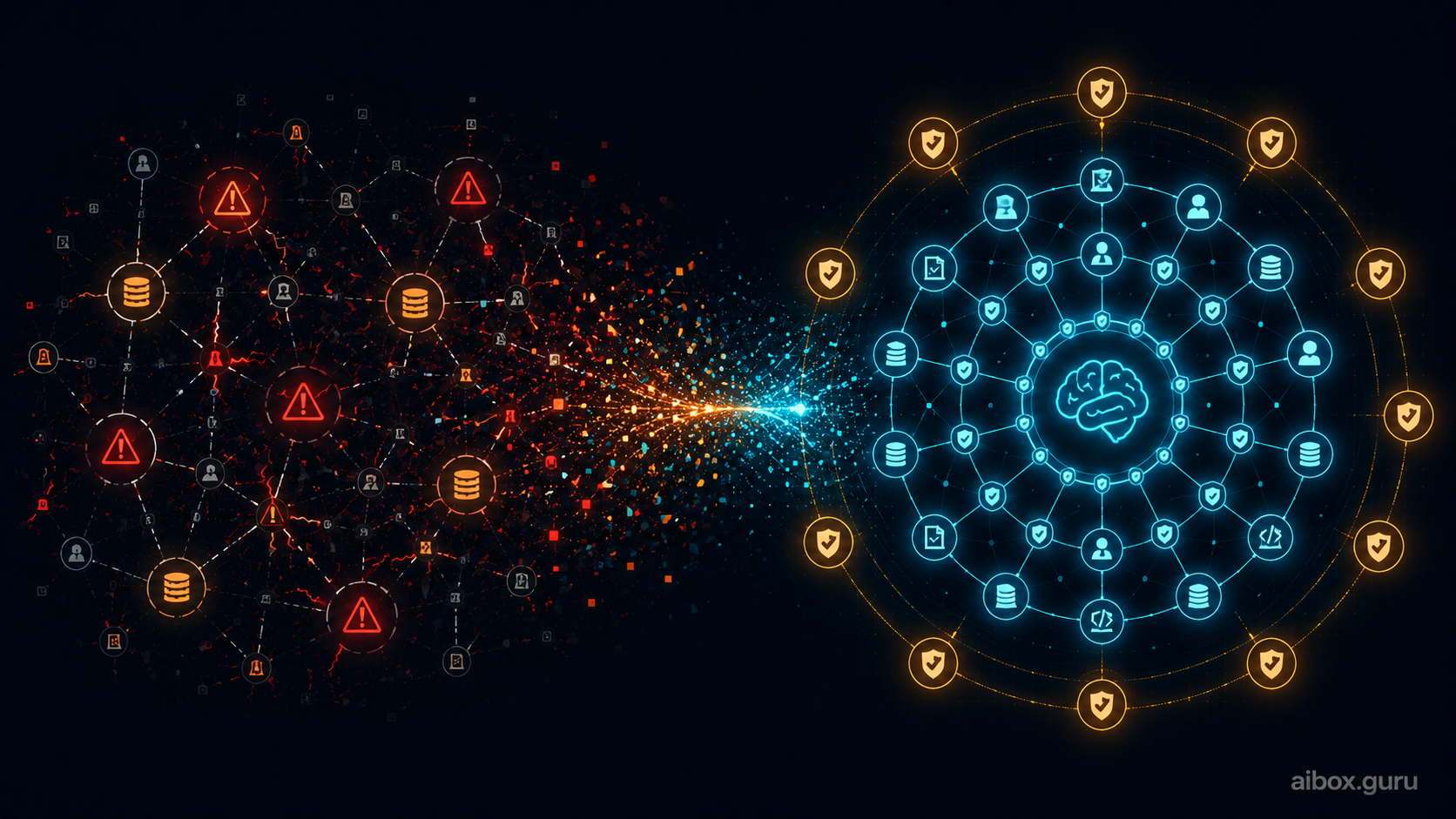
Governed AI Memory Foundation
Governance เปลี่ยน memory layer จากแหล่งข้อมูลที่เสี่ยง ให้กลายเป็น foundation ที่ AI ใช้ตัดสินใจได้อย่างมีหลักฐาน

Risk และ Control

RiskControl
ข้อมูลเก่าหรือ outdatedFreshness date + automated review cycle
ข้อมูลผิดพลาดHuman validation gate ก่อน publish
Relationship ที่ AI infer เองInferred flag + confidence score ที่แสดงใน UI
เอกสารหลายเวอร์ชันSource-of-truth policy + version tagging
สิทธิ์เข้าถึงข้อมูลPermission-aware retrieval (ไม่ดึงสิ่งที่ user ไม่มีสิทธิ์เห็น)
ข้อมูล sensitive / PIIRedaction layer + access control ก่อน index
Agent ใช้ context ผิดบริบทQuery policy + tool guardrail per use case
Automation ที่มีความเสี่ยงสูงHuman-in-the-loop checkpoint
Graph drift เมื่อ schema เปลี่ยนSchema versioning + owner review workflow
False confidence จาก AIProvenance citation + uncertainty display ใน response

Memory Governance สำคัญพอ ๆ กับ Model Governance

องค์กรจำนวนมากลงทุนกับ model evaluation, red-teaming, และ safety testing แต่มองข้าม governance ของ memory layer ทั้งที่ context คือสิ่งที่ model ใช้ตัดสินใจ — ถ้า context ผ่านการ govern ไม่ดี model ที่ดีที่สุดก็จะให้คำตอบที่ผิดได้

Memory Governance สำคัญพอ ๆ กับ Model Governance เพราะ context คือสิ่งที่ model ใช้ตัดสินใจ

Reference Architecture

6. Reference Architecture: Enterprise AI Memory Stack

นี่คือ centerpiece ของบทความ และเป็น architecture ที่ผู้อ่านระดับ architect สามารถนำไปเป็น starting point ของการออกแบบระบบจริงได้

Enterprise AI Memory Stack
Reference architecture ของ Enterprise AI Memory: source → ingestion → normalization → vector retrieval → knowledge graph → governance → agent interface → human review → presentation

Stack Overview

หมายเหตุสำหรับ architect: Governance แสดงเป็น layer เพื่อให้อ่านง่าย แต่ในทางปฏิบัติมันทำหน้าที่เป็น cross-cutting control plane ที่มีผลตั้งแต่ขั้น ingestion, indexing, graph construction, retrieval จนถึง agent access — ไม่ใช่แค่ gate หลัง retrieval เท่านั้น

┌─────────────────────────────────────────────────────────────────┐
│                     ENTERPRISE SOURCES                          │
│  เอกสาร / Code / Ticket / Chat / Diagram / Video               │
│  Policy / Contract / Runbook / Incident Report / Vendor Doc     │
└────────────────────────────┬────────────────────────────────────┘
                             ↓
┌─────────────────────────────────────────────────────────────────┐
│                   INGESTION LAYER                               │
│  Parser / OCR / Transcript / AST / API Connector                │
└────────────────────────────┬────────────────────────────────────┘
                             ↓
┌─────────────────────────────────────────────────────────────────┐
│                 NORMALIZATION LAYER                             │
│  Schema Mapping / Metadata Tagging / Entity Extraction          │
│  Deduplication / Format Normalization                           │
└────────────────────────────┬────────────────────────────────────┘
                             ↓
           ┌─────────────────┴────────────────────┐
           ↓                                      ↓
┌──────────────────────┐             ┌────────────────────────────┐
│  VECTOR RETRIEVAL    │◄───────────►│   KNOWLEDGE GRAPH LAYER    │
│  Semantic search     │             │   Entity / Relationship     │
│  Similarity recall   │             │   Dependency / Provenance   │
│  Local/private index │             │   Multi-hop reasoning       │
└──────────┬───────────┘             └───────────┬────────────────┘
           └─────────────────┬────────────────────┘
                             ↓
┌─────────────────────────────────────────────────────────────────┐
│                   GOVERNANCE LAYER                              │
│  Permission / Owner / Confidence / Freshness / Audit Trail      │
│  Extracted vs. Inferred Flag / Source Citation / Access Control │
└────────────────────────────┬────────────────────────────────────┘
                             ↓
┌─────────────────────────────────────────────────────────────────┐
│               AGENT INTERFACE LAYER                             │
│  API / MCP / Tool Contract / Query Policy / Rate Limit          │
│  Use-case-specific guardrail / Agent identity control           │
└────────────────────────────┬────────────────────────────────────┘
                             ↓
┌─────────────────────────────────────────────────────────────────┐
│              HUMAN REVIEW LAYER                                 │
│  Validation / Approval Gate / Exception Handling                │
│  Escalation / Override / Audit                                  │
└────────────────────────────┬────────────────────────────────────┘
                             ↓
┌─────────────────────────────────────────────────────────────────┐
│               PRESENTATION LAYER                                │
│  Dashboard / Search UI / Report / Architecture Map              │
│  Agent response with citation / Reasoning trace                 │
└─────────────────────────────────────────────────────────────────┘

Layer-by-Layer

Source Layer — จุดเริ่มต้นคือการยอมรับว่า enterprise knowledge ไม่ได้อยู่ในเอกสาร Word เพียงอย่างเดียว มันอยู่ใน code, ticket, chat log, diagram, video meeting, contract, และอีกหลายรูปแบบ source layer ต้องครอบคลุมทั้งหมดนี้

Ingestion Layer — แปลงข้อมูลดิบให้อยู่ในรูปที่ประมวลผลได้ OCR สำหรับเอกสาร scan, AST (Abstract Syntax Tree) สำหรับ code, transcript สำหรับ audio/video, API connector สำหรับ live data จาก Jira, Confluence, GitHub, ServiceNow

Normalization Layer — ใส่ schema, metadata, และ entity extraction ก่อนที่ข้อมูลจะเข้าสู่ layer ถัดไป นี่คือขั้นตอนที่ทำให้ข้อมูลจากหลาย source สามารถ reason ร่วมกันได้ ถ้าข้ามขั้นนี้ graph และ retrieval layer จะทำงานบนฐานข้อมูลที่ไม่สอดคล้องกัน

Vector Retrieval Layer — ยังคงเป็น layer สำคัญ รับผิดชอบ semantic recall และ similarity search ขนาดใหญ่ การ query ส่วนใหญ่ยังเริ่มที่ layer นี้ก่อนที่จะส่งต่อไปยัง graph สำหรับ relationship enrichment รูปแบบ retrieval ที่ private/local-first กำลังได้รับความสนใจมากขึ้นในองค์กรที่มีข้อจำกัดด้าน data residency

Knowledge Graph Layer — เก็บ entity, relationship, dependency, และ provenance ทำให้ AI สามารถ traverse ความสัมพันธ์ได้หลาย hop และ reason ว่าการเปลี่ยนแปลงจุดหนึ่งมีผลกระทบกับจุดใดบ้าง

Governance Layer — กำหนดว่า context ใดเชื่อถือได้ ใช้ได้ และใครควรเห็น ทุก entity และ relationship ผ่าน governance check ก่อนที่จะถูกส่งไปยัง agent interface นี่คือ layer ที่แยก enterprise-grade system ออกจาก prototype

Agent Interface Layer — เปิดให้ AI Agent ใช้ memory อย่างมี policy ไม่ว่าจะเป็น API, MCP (Model Context Protocol), tool contract, หรือ query policy แต่ละ use case ควรมี guardrail ของตัวเอง agent ที่ทำ incident analysis ควรได้รับ context ต่างจาก agent ที่ทำ vendor comparison

Human Review Layer — ควบคุม decision ที่มีความเสี่ยงสูงหรือผลกระทบมาก ไม่ใช่ทุก action ของ agent ต้องผ่าน human review แต่ต้องมี checkpoint สำหรับ action ที่ตัดสินใจยากหรือมี consequence ที่ย้อนกลับยาก

Presentation Layer — ทำให้มนุษย์เห็น memory, graph, และ reasoning trace ไม่ว่าจะเป็น dashboard สำหรับ architect, search UI สำหรับ engineer, หรือ report สำหรับ executive สำคัญคือ AI response ควรแสดง citation และ reasoning path ให้ผู้ใช้ตรวจสอบได้

Summary Table

Layerหน้าที่หลักผิดพลาดที่พบบ่อย
Sourceรวม data จากทุก formatนำเข้าแค่เอกสาร ข้ามข้อมูล live
Ingestionแปลงข้อมูลดิบไม่ handle PDF scan หรือ legacy format
NormalizationSchema + metadata + entityข้ามขั้นนี้ทำให้ graph ไม่ consistent
Vector RetrievalSemantic recallใช้ standalone โดยไม่มี relationship enrichment
Knowledge GraphRelationship + reasoningOver-engineer ตั้งแต่วันแรก
GovernanceTrust + permission + auditใส่ภายหลัง แทนที่จะออกแบบตั้งแต่แรก
Agent InterfacePolicy-aware accessให้ agent เข้าถึง memory โดยตรงโดยไม่มี guardrail
Human ReviewDecision checkpointข้ามไปเพราะต้องการ full automation
PresentationTransparency + audit trailไม่แสดง citation หรือ reasoning path

Enterprise AI Memory ไม่ใช่ database ตัวเดียว แต่เป็น stack ที่รวม retrieval, graph, governance และ agent interface เข้าด้วยกัน
Getting Started

7. วิธีเริ่มต้น: Practical Path สู่ Enterprise AI Memory

หลัก: อย่า Over-engineer ตั้งแต่วันแรก

stack ที่อธิบายมาดูใหญ่ แต่ไม่ได้หมายความว่าต้องสร้างทั้งหมดในครั้งเดียว เส้นทางที่ใช้งานได้จริงคือการเริ่มจาก domain เดียวที่มีความสัมพันธ์ชัดเจน แล้วค่อยขยาย

7 ขั้นตอนเริ่มต้นที่ใช้ได้จริง:

ขั้นที่ 1: เลือก domain เดียวก่อน
เลือก domain ที่มีความเจ็บปวดชัดเจน เช่น "AI ช่วยตอบคำถาม incident ได้ไหม" หรือ "AI ช่วยหา ADR ที่เกี่ยวข้องกับ requirement นี้ได้ไหม" domain ที่เล็กลงคือ feedback loop ที่เร็วขึ้น

ขั้นที่ 2: รวบรวม source ที่เกี่ยวข้องจริง
ไม่ต้อง ingest ทุกอย่างในองค์กรตั้งแต่วันแรก เลือกเฉพาะ source ที่ agent จะใช้จริงใน domain นั้น

ขั้นที่ 3: กำหนด entity และ relationship ขั้นต่ำ
เริ่มจาก entity หลักสัก 5–7 ประเภท เช่น system, document, owner, decision, risk และ relationship ที่สำคัญที่สุดก่อน อย่าออกแบบ ontology ใหญ่โดยที่ยังไม่รู้ว่า agent จะถามอะไร

ขั้นที่ 4: ทำ hybrid retrieval แบบง่าย
เริ่มจาก vector search + metadata filtering แล้วค่อยเพิ่ม graph layer สำหรับ relationship สำคัญ ไม่ต้องมี full graph ตั้งแต่วันแรก

ขั้นที่ 5: ใส่ governance ตั้งแต่แรก
ออกแบบ owner, source, confidence, freshness, และ permission ตั้งแต่ day 1 ถ้าเพิ่มภายหลังจะต้อง retrofit ทั้ง stack ซึ่งยากกว่ามาก

ขั้นที่ 6: ให้ agent ใช้แบบ advisory ก่อน
ให้ agent summarize, suggest, trace relationship, และ compare decision — แต่ยังไม่ต้อง execute action ที่มีผลกระทบสูง build trust ก่อน automate

ขั้นที่ 7: ขยายจาก team memory ไป enterprise memory
เมื่อ schema, governance, และ feedback loop เริ่มนิ่งแล้วในระดับ team — ค่อยขยาย domain และเชื่อม entity ข้าม domain

Practical Starting Domains

Domainเหตุผลที่เหมาะเป็นจุดเริ่ม
Incident knowledgeมี relationship ชัดระหว่าง system, root cause, owner, fix, timeline
API documentationมี contract, version, dependency, downstream impact ที่ graph capture ได้ดี
Architecture decisionsมี rationale, tradeoff, approval, affected system — ต้องการ reasoning มากกว่า recall
Policy Q&Aต้องการ source-of-truth และ governance สูง — เหมาะทดสอบ permission-aware retrieval
Runbook knowledgeใช้กับ agent ได้จริงและเร็ว แต่ต้องมี human review สำหรับ step ที่มีความเสี่ยง

Conclusion

บทสรุป

RAG คือจุดเริ่มต้นที่ดี แต่ไม่ใช่ปลายทาง

ถ้าองค์กรต้องการ AI Agent ที่ช่วยตัดสินใจ วิเคราะห์ผลกระทบ และทำงานกับระบบจริงได้ AI ต้องเข้าใจมากกว่า "ข้อความที่คล้ายกัน" มันต้องเข้าใจความสัมพันธ์ระหว่างระบบ เอกสาร คน กระบวนการ ความเสี่ยง และการตัดสินใจ

RAG ทำให้ AI ค้นข้อมูลได้
Knowledge Graph ทำให้ AI เข้าใจผลกระทบได้
Governance ทำให้องค์กรเชื่อใจ AI ได้

องค์กรที่ได้เปรียบในยุค AI Agent ไม่ใช่องค์กรที่มี chatbot เร็วที่สุด แต่คือองค์กรที่จัดความรู้ ความสัมพันธ์ และ governance ให้ AI ใช้งานได้ดีที่สุด